

What Happens During a Break-In
What Happens During a Break-In (And How to Prevent It)
Break-ins are rarely random. In most cases, they are the result of opportunity, weak security, and low risk to the intruder.
Understanding how these incidents unfold gives you a major advantage—because once you know the process, you can interrupt it at multiple stages.
Step 1: Target Selection
Every break-in starts with a decision.
Criminals are constantly assessing properties—often quickly and from a distance—looking for signs that a building is vulnerable.
They typically look for:
- Poor or inconsistent lighting
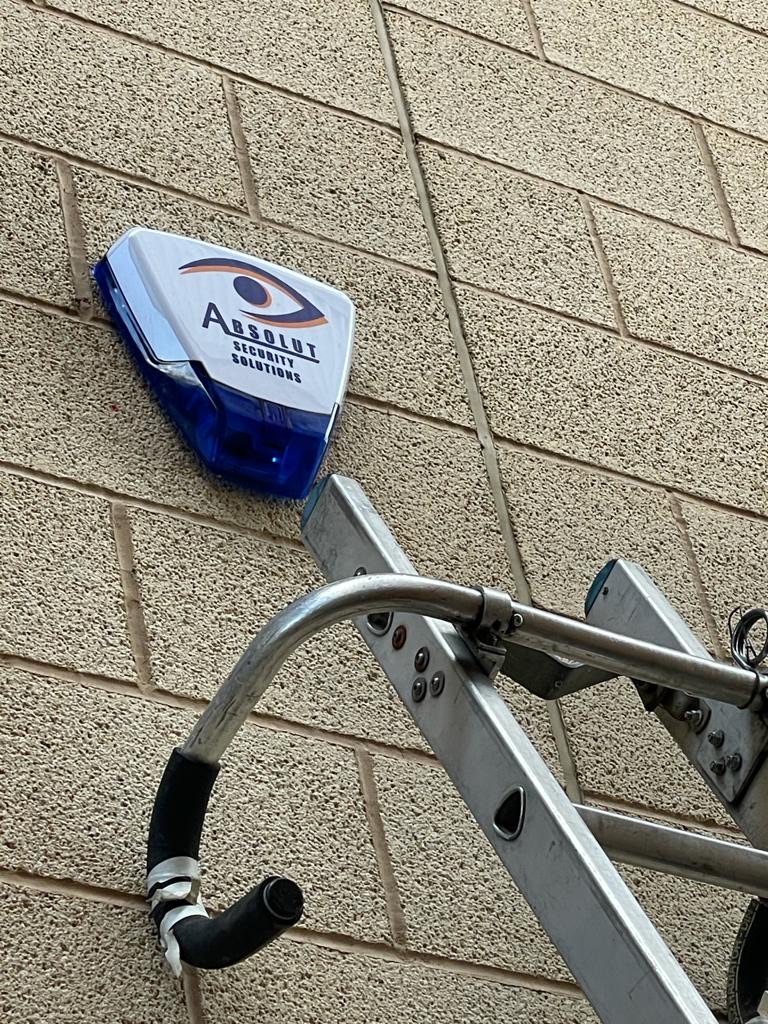
- No visible alarm system or CCTV
- Quiet or low-traffic areas
- Easy escape routes
- Signs of vacancy or reduced activity
If your property stands out as less secure than others nearby, it immediately becomes a more attractive target.
Step 2: Observation and Timing
Many intruders don’t act immediately. Instead, they take time to understand patterns.
They may observe:
- Opening and closing times
- Staff routines
- When the property is left unattended
- Delivery schedules or access habits
This allows them to choose the lowest-risk time to strike, often when they know no one will be present.
Step 3: Testing Security
Before committing, intruders often test how secure your property really is.
This might include:
- Trying doors to see if they’re unlocked
- Applying light force to check weaknesses
- Looking for inactive or poorly maintained systems
If nothing challenges them—no alarm, no visible deterrent, no resistance—they’re far more likely to proceed.
Step 4: Gaining Entry
Entry is usually fast, deliberate, and targeted.
Common methods include:
- Forcing doors at weak points
- Breaking windows away from view
- Using unsecured rear or side access
This stage is often over in seconds. If there’s no alarm triggered, the intruder now has time on their side.
Step 5: The Break-In
Once inside, speed is everything.
Most break-ins last only a few minutes, during which intruders will:
- Head straight for high-value or easily accessible items
- Ignore anything that slows them down
- Cause damage if necessary to gain access to assets
If uninterrupted, they can leave before anyone is aware anything has happened.
Step 6: Exit and Escape
Intruders plan their exit just as much as their entry.
They will:
- Use the quickest route out
- Avoid main roads or visible areas if possible
- Leave before any response can be triggered
Without immediate detection, they are often long gone by the time the incident is discovered.
Step 7: The Aftermath
This is where the real impact hits—and it’s often underestimated.
Property owners are left dealing with:
- Theft of valuable equipment or stock
- Structural damage to doors, windows, or interiors
- Business disruption and downtime
- Increased insurance premiums
- Stress and loss of confidence in site safety
And in many cases, the only evidence is CCTV footage viewed after everything has already happened.
How to Prevent a Break-In
The key is simple: remove opportunity and increase risk for the intruder.
Install a Proper Intruder Alarm System First
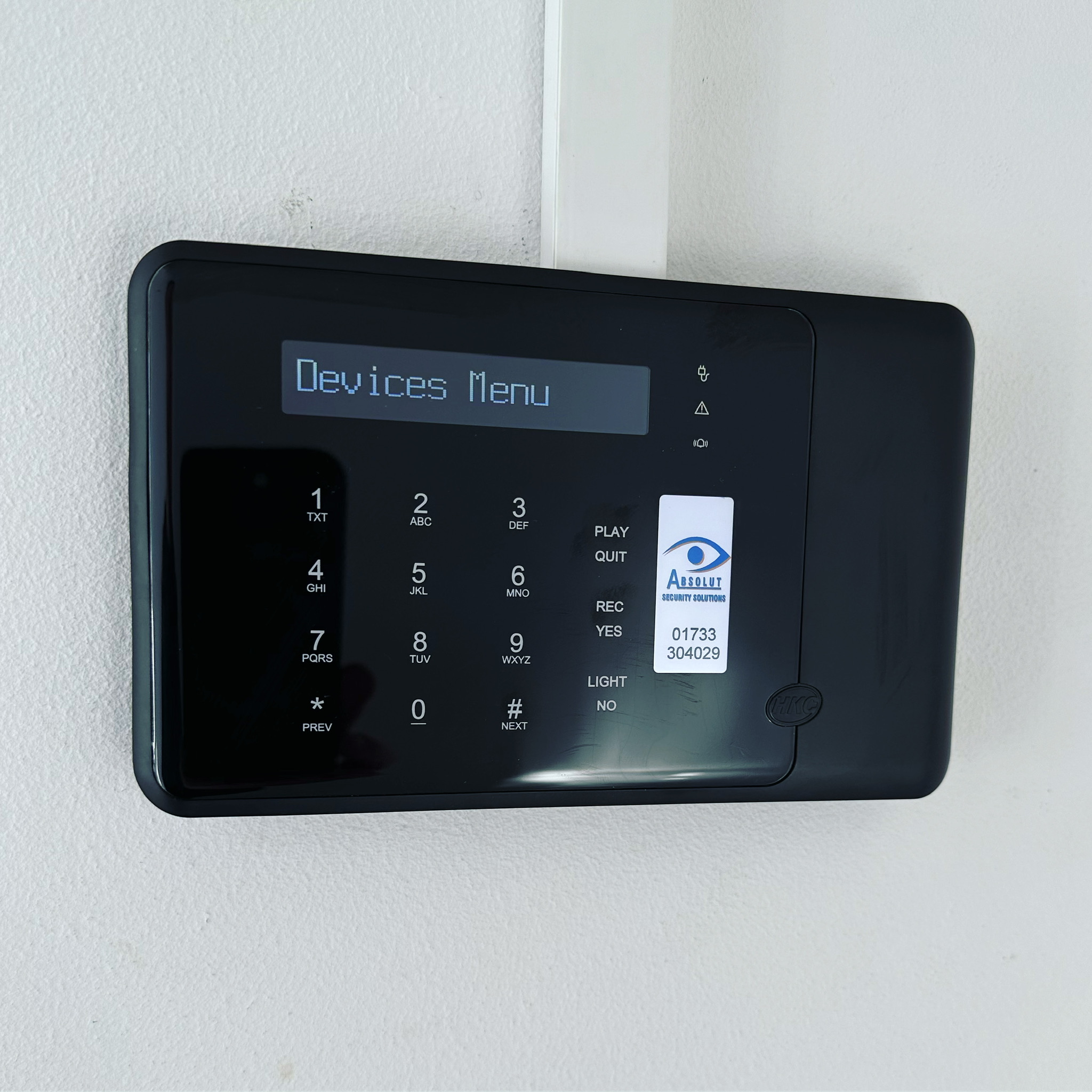
An intruder alarm system is your first line of active defence.
It:
- Detects unauthorised entry immediately
- Triggers an audible response that disrupts intruders
- Sends alerts via app or monitoring services
This changes everything—from a silent break-in to an interrupted incident.
Instead of discovering the damage later, you can:
- Check your CCTV in real time
- Assess the situation
- Contact the police if required
Use CCTV to Support, Not Replace, Protection
CCTV plays a critical role—but it should support your alarm system, not replace it.
It provides:
- Real-time visual verification
- Recorded evidence
- Additional deterrence
But without an alarm, it often only shows you what has already happened.
Secure All Access Points Properly
Physical security still matters.
Make sure:
- Doors are reinforced and properly fitted
- Locks meet current standards
- Windows are secured and not overlooked
A strong entry point can be enough to make an intruder give up.
Improve Lighting and Visibility
Lighting removes concealment and increases perceived risk.
Focus on:
- Entry points
- Perimeter areas
- Car parks and access routes
Well-lit properties are far less attractive to criminals.
Adopt a Layered Security Approach
The most effective protection combines multiple measures:
- Intruder alarms (detection & disruption)
- CCTV (verification & evidence)
- Lighting (visibility & deterrence)
- Physical security (resistance)
Each layer reduces the chances of a successful break-in.
Final Thoughts
Break-ins don’t just happen—they occur when the conditions allow them to.
If your property appears easy to access, unmonitored, and low risk, it becomes a target.
But when you introduce visible deterrents, active alarm systems, and layered protection, you shift the balance completely—making your property one that criminals are far more likely to avoid.